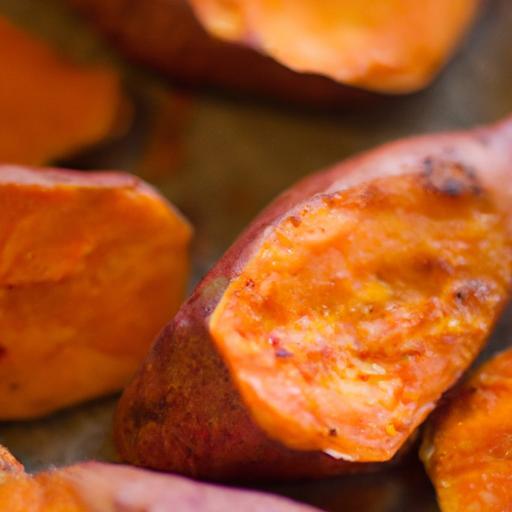
Unlock the Secret to Super Crispy Roasted Sweet Potatoes Every Time
Sweet potatoes are a culinary marvel. Naturally sweet, packed with nutrients, and incredibly versatile, they make a beloved side dish for countless meals, from cozy weeknight dinners to festive holiday feasts. But let's be honest: achieving that elusive "super crispy" exterior, the one that crackles satisfyingly with every bite, while maintaining a tender, creamy interior, often feels like a culinary holy grail. Many home cooks aspire to that golden, crackly perfection, only to find their roasted sweet potatoes a little too soft, a bit too steamy, and ultimately, lacking that coveted crunch.
The good news? The secret isn't a complex chef's technique or a magic ingredient. It's a combination of understanding the sweet potato's unique properties and applying a few straightforward, science-backed methods. We've cracked the code, meticulously testing various hacks and temperatures to bring you the definitive guide to roasted sweet potatoes that are not just crispy, but truly extraordinary, especially when infused with a classic sweet and savory flavor profile inspired by time-honored family recipes.
The Science Behind the Crunch: Why Sweet Potatoes Are Tricky (and How We Conquer It)
Before we dive into the "how-to," it's helpful to understand *why* sweet potatoes often resist crisping up as easily as their white potato cousins. The primary culprit? Moisture. Sweet potatoes naturally contain more water than Russets or Yukon Golds. When you roast them, this moisture converts into steam. While steam is excellent for tenderizing and creating a silky-smooth texture (perfect for mashes or purées), it actively works against crisping. The steam forms a barrier around the potato pieces, preventing the direct heat from reaching the surface and promoting the Maillard reaction – the chemical process responsible for browning and developing complex flavors.
Our goal, therefore, is to counteract this steaming effect and maximize the conditions for searing and dehydration on the surface of the sweet potatoes. This means creating an environment where moisture can quickly escape, allowing the sugars to caramelize and the starches to crisp into that delightful crackly texture we crave. Through extensive kitchen testing, we've identified the critical steps that transform humble sweet potatoes from simply tender to undeniably crispy.
Unlocking the Crispy Code: Essential Techniques for Perfect Roasted Sweet Potatoes
Getting that irresistible crunch requires a few deliberate steps, but rest assured, they are simple and deliver remarkable results. Forget fussy pre-steaming or microwaving; these are the straightforward tricks that work every time.
1. High Heat is Your Best Friend: Crank Up the Oven
The first, and arguably most crucial, step is to use a very hot oven. While many recipes call for 400°F or 425°F, our tests found that a scorching
450°F (230°C) is the sweet spot. This high temperature ensures several things:
- Immediate Searing: The intense heat quickly sears the exterior of the sweet potato pieces, creating a crust almost instantly.
- Rapid Moisture Evaporation: The high temperature rapidly evaporates surface moisture, preventing steaming and promoting browning.
- Accelerated Cooking: Faster cooking means less time for the interior to become mushy, preserving that delightful creamy-dreamy contrast.
2. Preheat the Pan: A Game Changer for Instant Crisp
This simple step is often overlooked but makes a dramatic difference. Place your baking sheet (ideally a light-colored one, more on that in a moment) into the oven while it preheats to 450°F. When you add the seasoned sweet potatoes to the piping hot pan, they immediately hit a searing surface. This jump-starts the cooking process, creating an instant sear and preventing the potatoes from sticking while promoting an even, golden-brown crust.
3. Choose Your Pan Wisely: Light vs. Dark
The type of baking sheet you use can also impact crispiness.
- Light-Colored Pans: These are generally preferred for crispy roasted vegetables. They reflect heat more evenly, preventing the bottom of your sweet potatoes from burning before the rest of the potato is cooked and crispy.
- Dark-Colored Pans: Dark pans absorb more heat, which can lead to faster browning (and potential burning) on the underside. If you only have a dark pan, you can still achieve great results, but you might need to check them more frequently and reduce the cooking time slightly, or skip the preheating step to avoid over-browning.
4. Preparation is Key: Uniformity and Space
- Peel and Chop Uniformly: Start with about 4 cups of peeled and chopped sweet potatoes (roughly 4-6 medium spuds). Cut them into roughly 1-inch cubes or wedges. Uniformity is vital for even cooking. Irregularly sized pieces will cook at different rates, leading to some being burnt while others are still undercooked or soft.
- Pat Dry: Before tossing with oil, take an extra minute to pat the sweet potato pieces dry with a paper towel. Removing any residual surface moisture will give you a head start on crisping.
- Toss with High-Quality Olive Oil: Use enough olive oil to lightly coat all the pieces without drowning them. Roughly 2-3 tablespoons for 4 cups of sweet potatoes should suffice. Olive oil helps conduct heat, preventing sticking, and contributing to the golden crust.
- Don't Crowd the Pan: This is paramount for crispiness. If your sweet potato pieces are touching or piled on top of each other, they will steam instead of roast. Use two baking sheets if necessary to ensure a single layer with ample space between each piece. Air circulation is your friend!
5. Roast and Turn for Even Crispness
Once your oven and pan are screaming hot, carefully spread your oiled and seasoned sweet potato pieces in a single layer on the preheated baking sheet. Roast for about 15 minutes, then give them a good stir or flip them with a spatula to ensure all sides get a chance to brown and crisp up. Continue roasting for another 10-15 minutes, or until they are deeply golden brown and beautifully crisp on the outside, and tender inside. The total cooking time will be approximately 25-30 minutes, depending on your oven and the size of your cuts.
Beyond the Crisp: Elevating Flavor with Granny's Signature Touch
While achieving that satisfying crunch is a victory in itself, the true magic happens when you combine it with incredible flavor. Our inspiration comes from a cherished family recipe, transforming simple
Perfect Roasted Sweet Potatoes: From Crispy to Sweet & Savory Side Dish into a sweet and savory masterpiece that will be the star of any meal.
The Aromatic Foundation: Onion and Garlic
To add depth and complexity, Granny's secret involves roasting chunky sweet onion wedges (such as Vidalia) and thinly sliced fresh garlic alongside the sweet potatoes.
- Sweet Onion: As the onion roasts, its natural sugars caramelize, lending a beautiful sweetness and savory depth that complements the sweet potatoes perfectly. Cut them into wedges similar in size to your sweet potato pieces so they cook evenly.
- Fresh Garlic: Two cloves of thinly sliced fresh garlic, tossed with the other vegetables and olive oil, infuse the dish with a pungent aroma that mellows into a wonderfully sweet and nutty flavor during roasting.
The Finishing Flourish: Balsamic Vinegar
The final touch, added *after* roasting, is a drizzle of high-quality balsamic vinegar. This is critical for several reasons:
- Irresistible Depth of Flavor: Balsamic vinegar introduces a complex sweet-tart note that brightens the dish and beautifully balances the richness of the roasted vegetables.
- Subtle Acidity: The acidity cuts through the sweetness of the sweet potatoes, preventing the dish from being cloyingly sweet and adding a gourmet finish.
- Preserving Flavor: Drizzling balsamic *after* roasting ensures its vibrant, nuanced flavor isn't cooked away or burned by the high heat.
Seasoning to Perfection
Don't forget the basics! A generous sprinkle of flaky sea salt and freshly ground black pepper after roasting brings all the flavors into harmony. Salt enhances sweetness and savoriness, while pepper adds a subtle kick.
If you're looking for that perfect blend of savory and sweet, especially for a special occasion, you'll love exploring the full depth of
Granny's Sweet & Savory Roasted Sweet Potatoes: Your New Holiday Side. It’s a dish that consistently earns rave reviews and requests for the recipe!
Serving Suggestions and Smart Storage
These super crispy, sweet and savory roasted sweet potatoes are incredibly versatile. They make an ideal accompaniment to a wide range of main dishes:
- Holiday Feasts: They're an absolute showstopper alongside Slow Cooker Turkey Breasts, roasted chicken, or a glazed ham.
- Weeknight Meals: Pair them with grilled salmon, pork chops, or even a simple vegetarian lentil loaf.
- Vegetable Bowls: Combine them with brown rice, sautéed Brussels sprouts, and a sprinkle of toasted nuts for a hearty and healthy seasonal vegetable bowl.
- Breakfast Hash: Repurpose leftovers into a delicious morning hash with a fried egg.
Storing Leftovers
Allow any leftover roasted sweet potatoes to cool completely before transferring them to an airtight storage container or a zip-top bag. They will keep beautifully in the refrigerator for up to five days.
Reheating for Continued Enjoyment
While they are best enjoyed fresh, you can reheat leftovers:
- Microwave: Quick and convenient, but expect them to lose some of their crispness and become softer.
- Oven: For the best chance of recapturing some crispness, spread them in a single layer on a baking sheet and reheat in a preheated oven at 350°F (175°C) for 10-15 minutes, or until heated through and slightly re-crisped.
Conclusion
No longer do you have to settle for soft, steamed sweet potatoes. By understanding the nature of this delicious root vegetable and applying a few simple yet powerful techniques – cranking up the heat, preheating your pan, ensuring proper spacing, and adding those key aromatic and acidic elements – you can consistently achieve super crispy, sweet, and savory roasted sweet potatoes. This recipe transforms a classic side dish into an unforgettable culinary experience, proving that with a little know-how, you can unlock incredible texture and flavor every single time. Get ready to impress your family and friends with a side dish that's truly a cut above the rest!